 CTPET
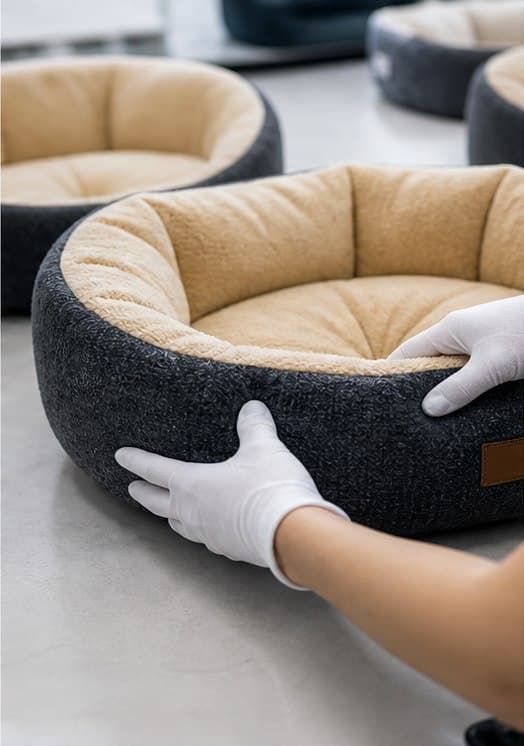
Build the 4-gate inspection checklist around the approved product specification. Define how each check is performed across 100% of critical safety points and AQL 2.5/4.0 sampling lots, which findings stop shipment, and who reviews corrections before the order begins.
Buyer checklist
- Approved sample, drawings and current specification version
- Material, dimensions, construction and intended use
- Functional checks and the agreed inspection method
- Packaging, quantity, labels, barcodes and carton marks
- Photo evidence, defect records and corrective-action approval
What to ask the supplier
Start with the functional and safety risks of the actual item. For a dog harness or leash, review adjustment range, box-stitch reinforcement, webbing thickness and D-ring pull strength against the agreed specification. For a pet feeder or water fountain, include bowl fit, base stability, pump electrical safety, leak testing, surface finish and food-contact material documentation. A generic consumer-goods checklist cannot replace category-specific pet checks.
Write measurable acceptance criteria before mass production begins. State the exact measurement method, gram-weight and dimensional tolerances, and identify the signed pre-production sample or technical drawing used for floor comparison. Agree the four inspection gates—requirement review, raw material & pre-production sample verification, inline inspection, and final pre-shipment random sampling (typically ISO 2859-1 / ANSI ASQ Z1.4 AQL 2.5 Major / 4.0 Minor)—with the factory and inspection team in advance.
Every inspection report should make findings immediately actionable: record the purchase order and SKU reference, total lot quantity, sample size drawn, inspection date, specification version, dimensional measurement tables and timestamped defect photos. Keep physical workmanship inspection records distinct from laboratory chemical or microbiological test reports, and verify that each certificate corresponds to the exact batch, material and factory under review.
When defects exceed agreed AQL limits or a critical safety issue is found, document the affected quantity, root cause, corrective action plan, responsible party and mandatory re-inspection date before cargo release. Shipment authorization must follow the written release workflow in the purchase contract. For pet food and nutritional supplements, include batch COA verification, moisture and seal integrity checks, production and expiry date coding, and export veterinary or health documentation review.
How to grade inspection defects
Agree examples and decision rules before inspection. Set the inspection level and acceptance limits from the lot size and agreed sampling plan.
| Severity | Example | Release decision |
|---|---|---|
| Critical | A sharp metal edge exposed on a harness buckle. | Stop release and escalate under the agreed safety criteria. |
| Major | A buckle fails the agreed pull test, or a size label identifies the wrong size. | Count the defect against the agreed major-defect acceptance limit. |
| Minor | A cosmetic stitch irregularity that meets the agreed functional requirements. | Record against the agreed minor-defect acceptance limit. |
Turn the guide into a sourcing brief
Prepare the product reference, target market, estimated quantity, customization level, packaging requirements, and expected timeline. A complete brief produces a faster and more accurate quotation.
Request a pre-shipment QC & consolidation plan
Share your SKU list, carton drop-test expectations, and destination port to plan 4-gate AQL checks and multi-supplier container loading.