 CTPET

Start with a written product brief across 5 core checkpoints—reference specification, 200 pcs typical catalog MOQ, 7-day sample turnaround, packaging artwork, and 4-gate AQL quality inspection—and compare supplier quotations against the same baseline before authorizing production.
Buyer checklist
- Product reference, intended use, material and size range
- Destination, sales channel, estimated quantity and target cost
- Branding method, packaging format and required artwork
- Sample approval criteria and inspection checkpoints
- Itemized quotation, payment milestones and shipping responsibilities
What to ask the supplier
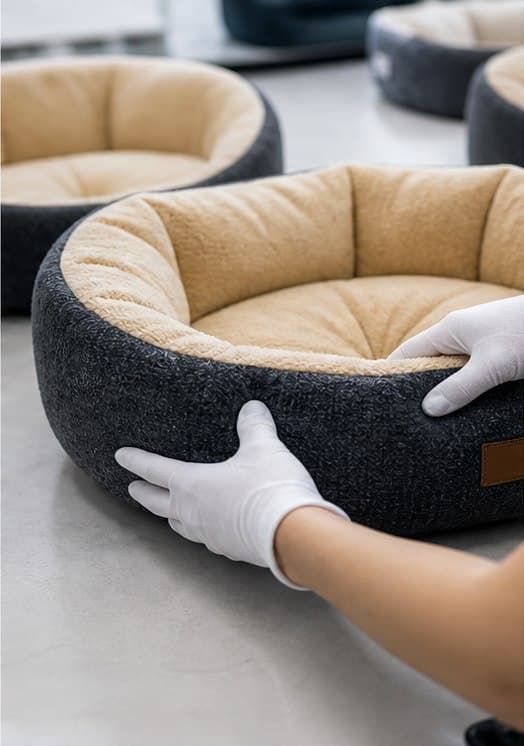
A useful request identifies what must stay fixed and what the supplier may propose. For a pet bed, that could include the finished dimensions, cover material, filling weight in grams, washing instructions, seam tolerances and compression or flat-pack format. For walking gear or feeding hardware, specify webbing width, tensile expectations, buckle metal grade, food-contact resin or stainless steel grade, and surface finish. Attach a physical or visual reference and mark which details are essential so every factory quotes against the exact same baseline instead of making different cost assumptions.
Compare the full commercial scope behind the quoted unit price. Ask whether mold or tooling fees, woven logo setup, sample courier freight, third-party laboratory testing, inner polybags, barcode stickers and retail packaging are included or billed separately. Record the minimum order quantity (typically 200 pcs per catalog SKU or higher for custom-dyed materials), the quotation validity window, payment milestones and the assumptions behind the 15-to-30-day mass production schedule. A lower headline price often reflects a lighter fabric weight, thinner wall thickness or bulk-only packing.
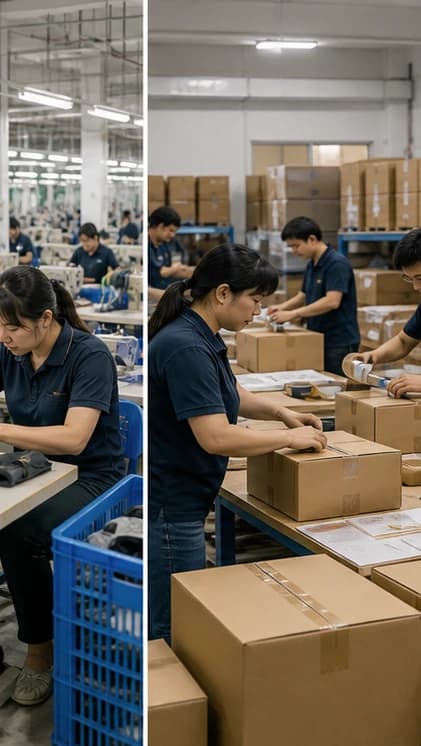
Use the signed pre-production sample as a binding physical and documented baseline. Keep measured dimensions, gram weights, high-resolution photos, Pantone color swatches, approved dieline artwork versions and any written deviation sign-offs in one shared project file. Confirm in writing who authorizes specification changes, which inline checks take place at 20% to 50% production completion, and how non-conforming units are quarantined and reworked when an AQL 2.5/4.0 pre-shipment inspection identifies a defect.
Before container loading or freight release, reconcile the final packed quantity, master carton dimensions, gross and net weights, commercial invoice, packing list, EAN/UPC barcode scan verification and shipping marks against your purchase order. When consolidating pet supplies with shelf-stable pet food or nutritional supplements, verify ingredient declarations, batch certificates of analysis (COA), shelf-life dating, storage conditions and destination-market import documentation before booking vessel space.
Turn the guide into a sourcing brief
Prepare the product reference, target market, estimated quantity, customization level, packaging requirements, and expected timeline. A complete brief produces a faster and more accurate quotation.
Send your sourcing brief for a supplier comparison
Share your reference photo, target material, MOQ range, and destination market to receive matched partner-factory routes and quotation terms.